
NSF NEON, Operated by Battelle

Main navigation

    • About Overview
    • NEON Overview
    • About the NEON Biorepository
    • Observatory Blog
    • Newsletter
    • Staff
    • FAQ
    • User Accounts
    • Contact Us
    • Data Overview
    • Data Portal
    • Data Availability Charts
    • API & GraphQL
    • Prototype Data
    • Data Collection Methods
    • Getting Started with NEON Data
    • Using Data
    • Data Notifications
    • NEON Data Management
    • Samples & Specimens Overview
    • NEON Biorepository Sample Portal at ASU
    • About NEON Samples
    • Sample Types
    • Finding and Accessing Sample Data
    • Species Checklists
    • Requesting and Using Samples
    • Acknowledging and Citing the NEON Biorepository
    • Biorepository Research Projects
    • Field Sites Overview
    • Field Site Map and Info
    • Spatial Data Layers & Maps
    • Resources Overview
    • Getting Started with NEON Data
    • Research Support Services
    • Code Hub
    • Learning Hub
    • Science Seminars and Data Skills Webinars
    • Document Library
    • Funding Opportunities
    • Impact Overview
    • Research Highlights
    • Papers & Publications
    • NEON in the News
    • Get Involved Overview
    • Upcoming Events
    • Past Events
    • Research and Collaborations
    • Advisory Groups
    • NEON Ambassador Program
    • Partnerships
    • Community Engagement
    • Work Opportunities

Search

Research and Collaborations

  • Environmental Data Science Innovation and Inclusion Lab
  • Collaboration with DOE BER User Facilities and Programs
  • EFI-NEON Ecological Forecasting Challenge
  • NEON Great Lakes User Group
  • NCAR-NEON-Community Collaborations
  • Sage Grande Testbed

Breadcrumb

  1. Get Involved
  2. Research and Collaborations
  3. NEON Great Lakes User Group

NEON Great Lakes User Group
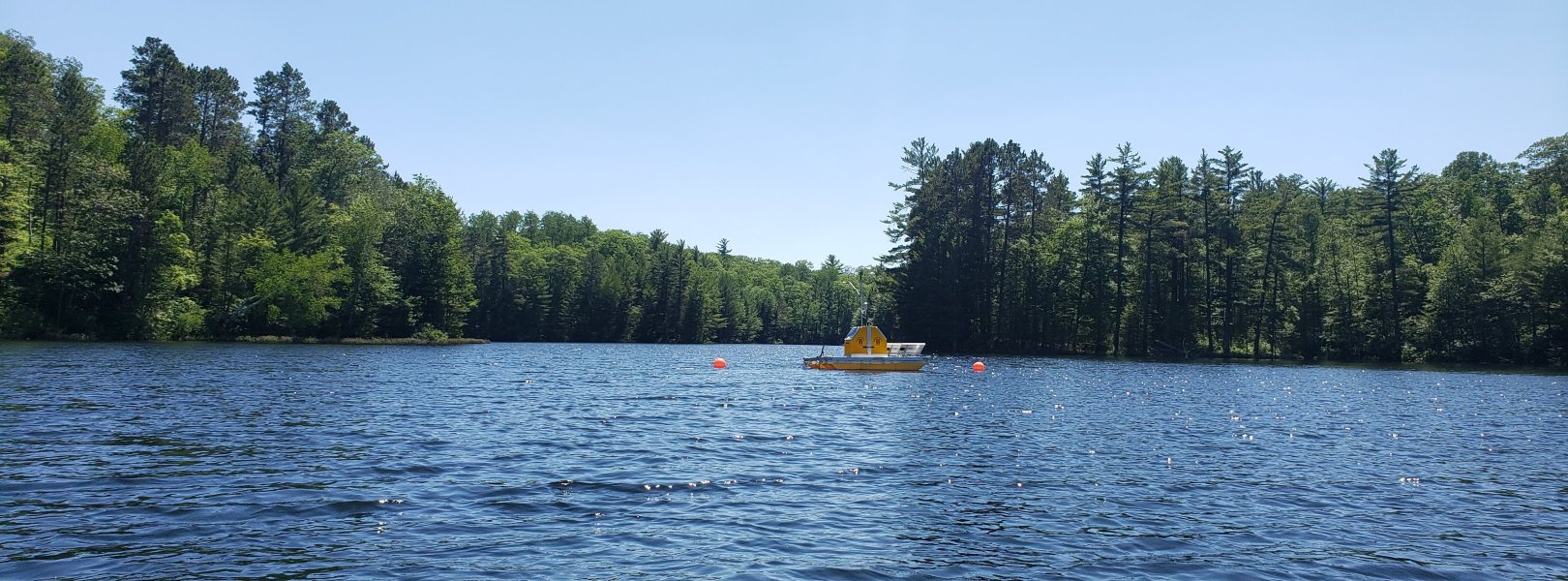
Little Rock Lake with a Buoy on it

The NEON Great Lakes User Group (GLUG) is a group of researchers and educators interested in using NEON data and resources to address and advance scientific and technical issues specific to the Great Lakes region.

GLUG Objectives

The overarching objectives of the GLUG are to facilitate regionally focused, nationally relevant collaborative research and to create a mechanism for communication between regional stakeholders and NEON staff within the area. Specifically the user group will: 

  • Identify and pursue areas of research and appropriate funding opportunities to advance regional-scale scientific progress using NEON resources.
  • Use NEON data to develop peer-reviewed scientific publications, presentations, technical reports, and outreach products.
  • Liaise with NEON.
  • Facilitate regional collaboration and growth of the NEON user community.

Approach

The group meets bimonthly online, with more frequent and topically-focused meetings as specific issues and opportunities emerge. The group will meet once per year in-person at a NEON site or regional conference. The GLUG Charter provides more details into the group's organization and approach.

View the NEON Great Lakes User Group Charter

Leadership 

  • Co-chair: Dr. Alison Donnelly, Associate Professor, University of Wisconsin-Milwaukee
  • Co-chair: Dr. Luke Nave, Associate Professor, Michigan Technological University

Membership

Membership in the User Group is self-selecting, with new members welcome at any time and any level of participation. 

Interested in becoming a member? Reach out to neon.glug@gmail.com

2023 GLUG Workshop

In September 2023, GLUG hosted a workshop that consisted of short presentations, guest speakers, breakout brainstorming sessions, and site visits. The workshop was funded by the U.S. National Science Foundation. Learn more about the in-person workshop here. 

NSF NEON, Operated by Battelle

Follow Us:

Join Our Newsletter

Get updates on events, opportunities, and how NEON is being used today.

Subscribe Now

Footer

  • About Us
  • Contact Us
  • Terms & Conditions
  • Careers
  • Code of Conduct

Copyright © Battelle, 2026

The National Ecological Observatory Network is a major facility fully funded by the U.S. National Science Foundation.

Any opinions, findings and conclusions or recommendations expressed in this material do not necessarily reflect the views of the U.S. National Science Foundation.