
NSF NEON, Operated by Battelle

Main navigation

    • About Overview
    • NEON Overview
    • About the NEON Biorepository
    • Observatory Blog
    • Newsletters
    • Staff
    • FAQ
    • User Accounts
    • Contact Us
    • Data Overview
    • Data Portal
    • Data Availability Charts
    • API & GraphQL
    • Prototype Data
    • Data Collection Methods
    • Getting Started with NEON Data
    • Using Data
    • Data Notifications
    • NEON Data Management
    • Samples & Specimens Overview
    • NEON Biorepository Sample Portal at ASU
    • About NEON Samples
    • Sample Types
    • Finding and Accessing Sample Data
    • Species Checklists
    • Requesting and Using Samples
    • Requesting Samples from the NEON Biorepository
    • Sample Use Guidelines
    • Acknowledging and Citing the NEON Biorepository
    • Field Sites Overview
    • Field Site Map and Info
    • Spatial Data Layers & Maps
    • Resources Overview
    • Getting Started with NEON Data
    • Research Support Services
    • Code Hub
    • Learning Hub
    • Science Seminars and Data Skills Webinars
    • Document Library
    • Funding Opportunities
    • Impact Overview
    • Research Highlights
    • Papers & Publications
    • NEON in the News
    • Get Involved Overview
    • Upcoming Events
    • Past Events
    • Research and Collaborations
    • Advisory Groups
    • NEON Ambassador Program
    • Partnerships
    • Community Engagement
    • Work Opportunities

Search

Data

Breadcrumb

  1. Data
  2. Data Collection Methods
  3. Instrument System (IS)
  4. Instrumented Collection Types

Instrumented Collection Types

NEON deploys automated instruments to collect meteorological, soil, phenological, surface water, and groundwater data at NEON field sites.

Meteorology

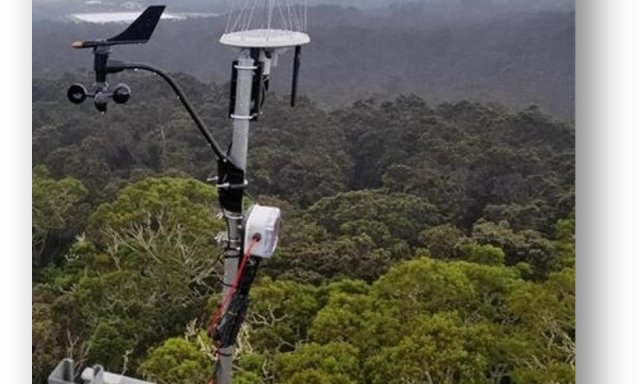
Micrometeorological sensors collect weather and climate data, including fluxes of carbon, water, and energy between the terrestrial ecosystem and the atmosphere.
More
arable mark 2 on PUUM

Phenocams

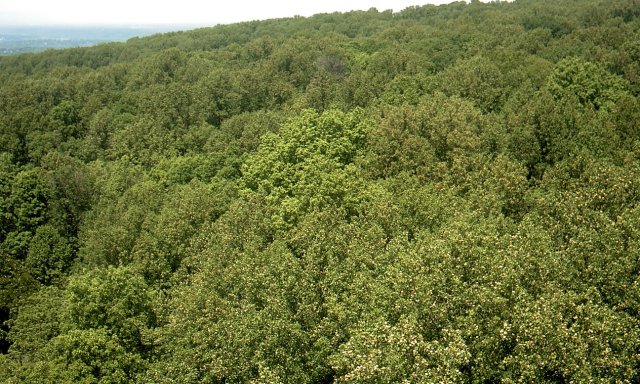
At terrestrial sites, a phenocam is mounted at the top and bottom of each micrometeorological tower to capture above and below canopy phenology. At aquatic sites, one phenocam collects data that can be used for qualitative estimates of snow cover, riparian characteristics, or weather.
More
SCBI phenocam

Soil Sensors

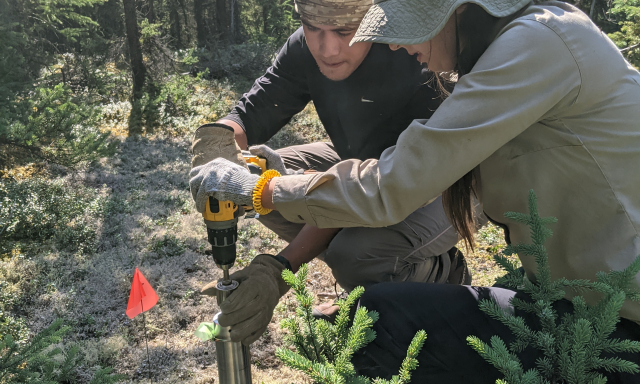
A soil sensor array of five soil plots that are installed near the tower measure physical and chemical properties of soil at various depths, and soil heat flux at the soil surface.
More
Collecting a soil core from a lichen-rich plot at DEJU

Surface Water

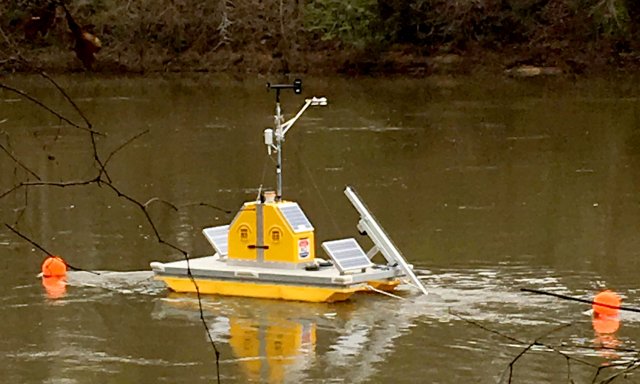
In situ sensor stations at aquatic sites collect surface water quality and depth measurements, including but not limited to temperature, photosynthetically active radiation (PAR), turbidity, and dissolved oxygen.
More
River Buoy at FLNT

Ground Water

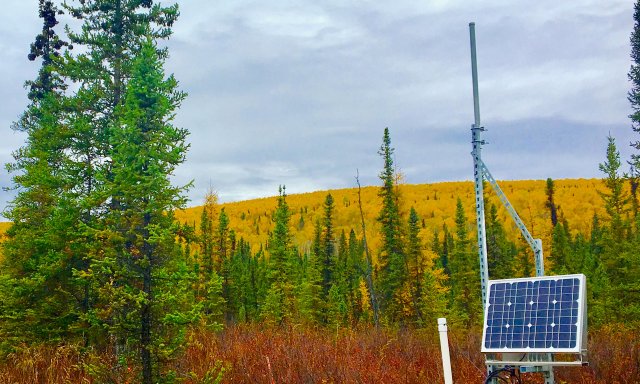
Shallow groundwater wells are installed at most aquatic field sites and equipped with instrumentation to measure water table elevation, temperature, and specific conductance at high temporal resolutions.
More
Groundwater well at the CARI aquatic site
NSF NEON, Operated by Battelle

Follow Us:

Join Our Newsletter

Get updates on events, opportunities, and how NEON is being used today.

Subscribe Now

Footer

  • About Us
  • Contact Us
  • Terms & Conditions
  • Careers
  • Code of Conduct

Copyright © Battelle, 2026

The National Ecological Observatory Network is a major facility fully funded by the U.S. National Science Foundation.

Any opinions, findings and conclusions or recommendations expressed in this material do not necessarily reflect the views of the U.S. National Science Foundation.