NSF NEON, Operated by Battelle

Main navigation

  • About
    • NEON Overview
      • Vision and Management
      • Spatial and Temporal Design
      • History
    • About the NEON Biorepository
      • ASU Biorepository Staff
      • Contact the NEON Biorepository
    • Observatory Blog
    • Newsletters
    • Staff
    • FAQ
    • Contact Us

    About

  • Data
    • Data Portal
      • Data Availability Charts
      • API & GraphQL
      • Prototype Data
      • Externally Hosted Data
    • Data Collection Methods
      • Airborne Observation Platform (AOP)
      • Instrument System (IS)
        • Instrumented Collection Types
        • Aquatic Instrument System (AIS)
        • Terrestrial Instrument System (TIS)
      • Observational System (OS)
        • Observation Types
        • Observational Sampling Design
        • Sampling Schedules
        • Taxonomic Lists Used by Field Staff
        • Optimizing the Observational Sampling Designs
      • Protocols & Standardized Methods
    • Getting Started with NEON Data
      • neonUtilities for R and Python
      • Learning Hub
      • Code Hub
    • Using Data
      • Data Formats and Conventions
      • Released, Provisional, and Revised Data
      • Data Product Bundles
      • Usage Policies
      • Acknowledging and Citing NEON
      • Publishing Research Outputs
    • Data Notifications
    • NEON Data Management
      • Data Availability
      • Data Processing
      • Data Quality

    Data

  • Samples & Specimens
    • Biorepository Sample Portal at ASU
    • About Samples
      • Sample Types
      • Sample Repositories
      • Megapit and Distributed Initial Characterization Soil Archives
    • Finding and Accessing Sample Data
      • Species Checklists
      • Sample Explorer - Relationships and Data
      • Biorepository API
    • Requesting and Using Samples
      • Loans & Archival Requests
      • Usage Policies

    Samples & Specimens

  • Field Sites
    • Field Site Map and Info
    • Spatial Layers & Printable Maps

    Field Sites

  • Resources
    • Getting Started with NEON Data
    • Research Support Services
      • Field Site Coordination
      • Letters of Support
      • Mobile Deployment Platforms
      • Permits and Permissions
      • AOP Flight Campaigns
      • Research Support FAQs
      • Research Support Projects
    • Code Hub
      • neonUtilities for R and Python
      • Code Resources Guidelines
      • Code Resources Submission
      • NEON's GitHub Organization Homepage
    • Learning Hub
      • Tutorials
      • Workshops & Courses
      • Science Videos
      • Teaching Modules
    • Science Seminars and Data Skills Webinars
    • Document Library
    • Funding Opportunities

    Resources

  • Impact
    • Research Highlights
    • Papers & Publications
    • NEON in the News

    Impact

  • Get Involved
    • Upcoming Events
    • Research and Collaborations
      • Environmental Data Science Innovation and Inclusion Lab
      • Collaboration with DOE BER User Facilities and Programs
      • EFI-NEON Ecological Forecasting Challenge
      • NEON Great Lakes User Group
      • NCAR-NEON-Community Collaborations
    • Advisory Groups
      • Science, Technology & Education Advisory Committee
      • Technical Working Groups
    • NEON Ambassador Program
      • Exploring NEON-Derived Data Products Workshop Series
    • Partnerships
    • Community Engagement
    • Work Opportunities

    Get Involved

  • My Account
  • Search

Search

About

  • NEON Overview
  • About the NEON Biorepository
  • Observatory Blog
  • Newsletters
  • Staff
  • FAQ
  • Contact Us

Breadcrumb

  1. About
  2. Observatory Blog
  3. Talking bathymetric mapping techniques at the American Fisheries Society Annual meeting

Talking bathymetric mapping techniques at the American Fisheries Society Annual meeting

September 12, 2017
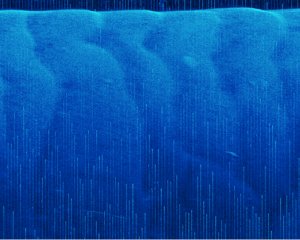
In late August, aquatic scientists from around the world descended upon Tampa, Florida to attend the American Fisheries Society (AFS) 2017 annual meeting. This year’s theme for the national meeting was “Fisheries Ecosystems: Uplands to Oceans.” Battelle scientist, Brandon Jensen, was invited by Adam Kaeser of the U.S. Fish and Wildlife Service to present on how we create bathymetric and morphological maps of NEON lake and river sites. Adam has been collecting bathymetric data using a system similar to the NEON project and has been a valuable contributor to the advancement of our sonar mapping system. He also recently joined the NEON Aquatic Technical Working Group. Battelle relies on almost two dozen of these technical working groups, who serve as advisors and provide input on NEON’s data collection and processing methods; they also help ensure that NEON infrastructure, data and programs are a valuable community resource. 

More than 2,000 U.S. and international members attend the AFS conferences each year, which provides great opportunities for Battelle scientists to present to and gain feedback from a wide range of scientists, agency staff, students and professionals focused on the aquatic sciences.  AFS 2017 allowed Brandon to answer questions about the NEON project from his peers, which included interest in comparing their field data to regional data collected at NEON field sites, as well as how to incorporate specific NEON field sites adjacent to their own research sites into their future aquatic studies. “The meeting was a great opportunity to talk with aquatic scientists, agency folks and policymakers about the NEON project’s role in long-term monitoring of fish and macroinvertebrates, as well as aquatic ecosystems in general,” said Brandon. 

Adam and Brandon also leveraged the meeting to meet with other attendees to discuss how the aquatic science community might take a more unified approach to collecting and processing sonar data. While sonar mapping tools have been used by scientists in the past for habitat mapping and even mapping of fish movement, there are no standardized methodologies which makes it challenging to compare data. Specifically, using side scan sonar imagery to classify and map habitat features requires experience, which can lead to subjective outputs. 

The referenced media source is missing and needs to be re-embedded.

Learn more about NEON’s aquatic observational and instrumented data collection.
Share

Related Posts:

Discontinuation of Select NEON Data Products

January 29, 2026

Modification of Select NEON Data Products

January 29, 2026

Resolved: Planned correction to alkalinity data in Sediment chemical and physical properties (DP1.20194.001)

January 23, 2026

NSF NEON, Operated by Battelle

Follow Us:

Join Our Newsletter

Get updates on events, opportunities, and how NEON is being used today.

Subscribe Now

Footer

  • About Us
  • Contact Us
  • Terms & Conditions
  • Careers
  • Code of Conduct

Copyright © Battelle, 2026

The National Ecological Observatory Network is a major facility fully funded by the U.S. National Science Foundation.

Any opinions, findings and conclusions or recommendations expressed in this material do not necessarily reflect the views of the U.S. National Science Foundation.