NSF NEON, Operated by Battelle

Main navigation

  • About
    • NEON Overview
      • Vision and Management
      • Spatial and Temporal Design
      • History
    • About the NEON Biorepository
      • ASU Biorepository Staff
      • Contact the NEON Biorepository
    • Observatory Blog
    • Newsletters
    • Staff
    • FAQ
    • Contact Us

    About

  • Data
    • Data Portal
      • Data Availability Charts
      • API & GraphQL
      • Prototype Data
      • Externally Hosted Data
    • Data Collection Methods
      • Airborne Observation Platform (AOP)
      • Instrument System (IS)
        • Instrumented Collection Types
        • Aquatic Instrument System (AIS)
        • Terrestrial Instrument System (TIS)
      • Observational System (OS)
        • Observation Types
        • Observational Sampling Design
        • Sampling Schedules
        • Taxonomic Lists Used by Field Staff
        • Optimizing the Observational Sampling Designs
      • Protocols & Standardized Methods
    • Getting Started with NEON Data
      • neonUtilities for R and Python
      • Learning Hub
      • Code Hub
    • Using Data
      • Data Formats and Conventions
      • Released, Provisional, and Revised Data
      • Data Product Bundles
      • Usage Policies
      • Acknowledging and Citing NEON
      • Publishing Research Outputs
    • Data Notifications
    • NEON Data Management
      • Data Availability
      • Data Processing
      • Data Quality

    Data

  • Samples & Specimens
    • Biorepository Sample Portal at ASU
    • About Samples
      • Sample Types
      • Sample Repositories
      • Megapit and Distributed Initial Characterization Soil Archives
    • Finding and Accessing Sample Data
      • Species Checklists
      • Sample Explorer - Relationships and Data
      • Biorepository API
    • Requesting and Using Samples
      • Loans & Archival Requests
      • Usage Policies

    Samples & Specimens

  • Field Sites
    • Field Site Map and Info
    • Spatial Layers & Printable Maps

    Field Sites

  • Resources
    • Getting Started with NEON Data
    • Research Support Services
      • Field Site Coordination
      • Letters of Support
      • Mobile Deployment Platforms
      • Permits and Permissions
      • AOP Flight Campaigns
      • Research Support FAQs
      • Research Support Projects
    • Code Hub
      • neonUtilities for R and Python
      • Code Resources Guidelines
      • Code Resources Submission
      • NEON's GitHub Organization Homepage
    • Learning Hub
      • Tutorials
      • Workshops & Courses
      • Science Videos
      • Teaching Modules
    • Science Seminars and Data Skills Webinars
    • Document Library
    • Funding Opportunities

    Resources

  • Impact
    • Research Highlights
    • Papers & Publications
    • NEON in the News

    Impact

  • Get Involved
    • Upcoming Events
    • Research and Collaborations
      • Environmental Data Science Innovation and Inclusion Lab
      • Collaboration with DOE BER User Facilities and Programs
      • EFI-NEON Ecological Forecasting Challenge
      • NEON Great Lakes User Group
      • NCAR-NEON-Community Collaborations
    • Advisory Groups
      • Science, Technology & Education Advisory Committee
      • Technical Working Groups
    • NEON Ambassador Program
      • Exploring NEON-Derived Data Products Workshop Series
    • Partnerships
    • Community Engagement
    • Work Opportunities

    Get Involved

  • My Account
  • Search

Search

About

  • NEON Overview
  • About the NEON Biorepository
  • Observatory Blog
  • Newsletters
  • Staff
  • FAQ
  • Contact Us

Breadcrumb

  1. About
  2. Observatory Blog
  3. Synergies between NEON and the LTER Community

Synergies between NEON and the LTER Community

October 18, 2018
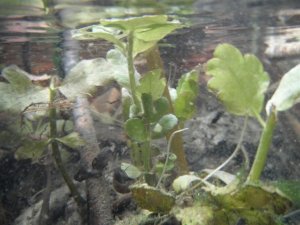
Submerged aquatic plants at D10 ARIK (photo by Stephanie Parker)

In early October, hundreds of scientists from the National Science Foundation’s LTER Network gathered together in Asilomar, CA for their All Scientists Meeting, which takes place once every three years. It’s a great opportunity for LTER-related scientists to share their discoveries, progress and best practices.

This year, LTER invited Sharon Collinge, Observatory Director and Chief Scientist for the NEON program, and NEON Data Science lead, Christine Laney to discuss how NEON’s data and infrastructure may be used to support LTER initiatives. Staff scientist, Eric Sokol also works closely with members of the LTER community and co-organized several sessions.

Christine presented a 90-minute workshop titled: NEON Data: From Collection to Publication, which provided a general overview of the field, instrumented, and remote sensing data the NEON project collects; how the data are processed, quality checked, and documented; and how the data are published and made accessible to the community. About half of the session was a Q&A about NEON data collection and processing.

She also presented on behalf of two other NEON project scientists during another workshop entitled: “Better Monitoring through Uncertainty Analysis: Optimize allocation of effort, save time and money.” In that workshop, Christine spoke about Caren Scott and Kaelin Cawley’s work to optimize NEON’s aquatic sampling design.

Other opportunities for cross collaboration discussions included two LTER-CZO-NEON sessions in which participants discussed the pursuit of synergies between the US Long-term Ecological Research (LTER), Critical Zone Observatory (CZO) and National Ecological Observatory Network (NEON) programs, which rely on different, but complementary approaches to network-enabled science.

Why Attend the LTER Meeting?

According to Christine, “LTER is one of our primary audiences in the research community. While many LTER members also attend the annual Ecological Society of America (ESA) meeting, it is only once every three years that they have their own conference. The ASM is a great opportunity for us to learn about cutting-edge ecological research across the United States (some sites are co-located with NEON sites), and share detailed information about NEON resources and status with this community.” In that spirit, Eric used the meeting to co-organize several sessions that cross cut NEON and LTER initiatives such as next steps for researchers focused on synthesizing of LTER biodiversity data and discussions on what "connectivity" means for the different disciplines represented in the LTER network and NEON user community. One particularly interesting session was about an Environmental Data Initiative (EDI) project to create a standardized data pattern and an R package for data discovery called "ecocomDP". Eric has been collaborating with EDI to include NEON biodiversity data in the data discovery functionality of ecocomDP.

Finally, Sharon presented a keynote address at the meeting in which she introduced NEON as “the community’s observatory” and encouraged attendees to engage with NEON. Sharon noted that “LTER represents a full spectrum of ecologists that can leverage NEON data and infrastructure to enhance their research programs, and that can provide deeper understanding and interpretation of NEON’s continental-scale observations.”
Share

Related Posts:

Unlocking the Secrets of Soil Microbial Metabolites

February 2, 2026

Petri dishes of bacteria cultures

Battelle NEON at AGU 2025

November 24, 2025

AGU logo

Featured Expert: Tong Qiu - Mapping Forest Fecundity

October 31, 2025

Featured expert Tong Qiu headshot
NSF NEON, Operated by Battelle

Follow Us:

Join Our Newsletter

Get updates on events, opportunities, and how NEON is being used today.

Subscribe Now

Footer

  • About Us
  • Contact Us
  • Terms & Conditions
  • Careers
  • Code of Conduct

Copyright © Battelle, 2026

The National Ecological Observatory Network is a major facility fully funded by the U.S. National Science Foundation.

Any opinions, findings and conclusions or recommendations expressed in this material do not necessarily reflect the views of the U.S. National Science Foundation.