
NSF NEON, Operated by Battelle

Main navigation

  • About
    • NEON Overview
      • Vision and Management
      • Spatial and Temporal Design
      • History
    • About the NEON Biorepository
      • ASU Biorepository Staff
      • Contact the NEON Biorepository
    • Observatory Blog
    • Newsletters
    • Staff
    • FAQ
    • Contact Us

    About

  • Data
    • Data Portal
      • Data Availability Charts
      • API & GraphQL
      • Prototype Data
      • Externally Hosted Data
    • Data Collection Methods
      • Airborne Observation Platform (AOP)
      • Instrument System (IS)
        • Instrumented Collection Types
        • Aquatic Instrument System (AIS)
        • Terrestrial Instrument System (TIS)
      • Observational System (OS)
        • Observation Types
        • Observational Sampling Design
        • Sampling Schedules
        • Taxonomic Lists Used by Field Staff
        • Optimizing the Observational Sampling Designs
      • Protocols & Standardized Methods
    • Getting Started with NEON Data
      • neonUtilities for R and Python
      • Learning Hub
      • Code Hub
    • Using Data
      • Data Formats and Conventions
      • Released, Provisional, and Revised Data
      • Data Product Bundles
      • Usage Policies
      • Acknowledging and Citing NEON
      • Publishing Research Outputs
    • Data Notifications
    • NEON Data Management
      • Data Availability
      • Data Processing
      • Data Quality

    Data

  • Samples & Specimens
    • Biorepository Sample Portal at ASU
    • About Samples
      • Sample Types
      • Sample Repositories
      • Megapit and Distributed Initial Characterization Soil Archives
    • Finding and Accessing Sample Data
      • Species Checklists
      • Sample Explorer - Relationships and Data
      • Biorepository API
    • Requesting and Using Samples
      • Loans & Archival Requests
      • Usage Policies

    Samples & Specimens

  • Field Sites
    • Field Site Map and Info
    • Spatial Layers & Printable Maps

    Field Sites

  • Resources
    • Getting Started with NEON Data
    • Research Support Services
      • Field Site Coordination
      • Letters of Support
      • Mobile Deployment Platforms
      • Permits and Permissions
      • AOP Flight Campaigns
      • Research Support FAQs
      • Research Support Projects
    • Code Hub
      • neonUtilities for R and Python
      • Code Resources Guidelines
      • Code Resources Submission
      • NEON's GitHub Organization Homepage
    • Learning Hub
      • Tutorials
      • Workshops & Courses
      • Science Videos
      • Teaching Modules
    • Science Seminars and Data Skills Webinars
    • Document Library
    • Funding Opportunities

    Resources

  • Impact
    • Research Highlights
    • Papers & Publications
    • NEON in the News

    Impact

  • Get Involved
    • Upcoming Events
    • Research and Collaborations
      • Environmental Data Science Innovation and Inclusion Lab
      • Collaboration with DOE BER User Facilities and Programs
      • EFI-NEON Ecological Forecasting Challenge
      • NEON Great Lakes User Group
      • NCAR-NEON-Community Collaborations
    • Advisory Groups
      • Science, Technology & Education Advisory Committee
      • Technical Working Groups
    • NEON Ambassador Program
      • Exploring NEON-Derived Data Products Workshop Series
    • Partnerships
    • Community Engagement
    • Work Opportunities

    Get Involved

  • My Account
  • Search

Search

About

  • NEON Overview
  • About the NEON Biorepository
  • Observatory Blog
  • Newsletters
  • Staff
  • FAQ
  • Contact Us

Breadcrumb

  1. About
  2. Observatory Blog
  3. New teaching module for using data to understand ecological disturbances

New teaching module for using data to understand ecological disturbances

November 18, 2016
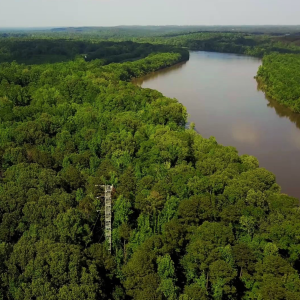
Flux tower at LENO and TOMB sites

In September 2013, a cold weather system slowly moved across Boulder county, Colorado causing unprecedented rainfall and devastating floods resulting in multiple fatalities and over $2 billion in damages. Using data that was collected before, during and after the storm, NEON has published its first undergraduate teaching module aimed specifically at faculty wanting to use data in undergraduate classrooms. The free module, available on neondataskills.org, allows students to use real-world ecological data to better understand the causes and effects of natural disturbance events like floods.

Staff scientist and science educator, Megan Jones explains, “In addition to using LiDAR measurements collected by the NEON Airborne Observation Platform, we incorporated satellite imagery, drought index, rainfall and stream gauge data from the USGS and NOAA into the lesson. The combination of these data provide great insight into what happened during those floods and can help understand future flood events and their impacts on society.”

What’s in the teaching module

Quantifying The Drivers and Impacts of Natural Disturbance Events – The 2013 Colorado Floods was developed in collaboration with Leah Wasser and Mariela Perignon, both at University of Colorado, Boulder. The goal behind the module was to make it very accessible for instructors and students alike, even those fairly new to working with data in the classroom. Jones says, “Working with data in the classroom can be intimidating, yet it’s so important for being able to address larger, more complex ecological questions – and even questions beyond ecology that students encounter daily. This module hopefully gives instructors an out of the box solution for exposing their students to interpreting and working with data.” 

The module includes a lesson page with explanatory text, videos, graphics and charts that explore different types of data and how they allow us to understand why a major disturbance events occur. Instructors can use the figures to have students discuss and interpret the data. There are also data activities in R that teaches students how to work with each type of data and create the plots used in the lesson. In addition, there is a short video introducing the 2013 floods and data associated with the event.

Organized, downloadable data subsets

All of the curated teaching data subsets are provided for download so that instructors and students know that the data are clean and will work in a classroom teaching setting. Instructions for accessing the data sets directly from the original databases are also provided, allowing instructors to create extensions where students ask their own questions of the full data. 

Although the teaching module is about a specific event, the skills learned in the lesson and associated data activities transfer to working with other types of data. 

The specific data sets used include:

  • Palmer Drought Index: NOAA’s Climate Divisional Database
  • Precipitation: National Climatic Data Center-NOAA
  • Stream Discharge: USGS stream gauges
  • Before/After Terrain Data: NEON AOP LiDAR-derived Elevation Models

The module will be listed with QUBES and faculty in the Spring 2017 DIG into Data for the Biology Classroom Faculty Mentoring Network will have the opportunity to use this module and develop other teaching modules using NEON data.

Explore the teaching module now

Share

Related Posts:

Version 1.2.0 of neonutilities Python package released

October 29, 2025

Resolved: Bug affecting neonUtilities in latest RStudio version on Windows

October 3, 2025

Bug affecting neonUtilities in latest RStudio version on Windows

September 16, 2025

NSF NEON, Operated by Battelle

Follow Us:

Join Our Newsletter

Get updates on events, opportunities, and how NEON is being used today.

Subscribe Now

Footer

  • About Us
  • Contact Us
  • Terms & Conditions
  • Careers
  • Code of Conduct

Copyright © Battelle, 2026

The National Ecological Observatory Network is a major facility fully funded by the U.S. National Science Foundation.

Any opinions, findings and conclusions or recommendations expressed in this material do not necessarily reflect the views of the U.S. National Science Foundation.