NSF NEON, Operated by Battelle

Main navigation

  • About
    • NEON Overview
      • Vision and Management
      • Spatial and Temporal Design
      • History
    • About the NEON Biorepository
      • ASU Biorepository Staff
      • Contact the NEON Biorepository
    • Observatory Blog
    • Newsletters
    • Staff
    • FAQ
    • Contact Us

    About

  • Data
    • Data Portal
      • Data Availability Charts
      • API & GraphQL
      • Prototype Data
      • Externally Hosted Data
    • Data Collection Methods
      • Airborne Observation Platform (AOP)
      • Instrument System (IS)
        • Instrumented Collection Types
        • Aquatic Instrument System (AIS)
        • Terrestrial Instrument System (TIS)
      • Observational System (OS)
        • Observation Types
        • Observational Sampling Design
        • Sampling Schedules
        • Taxonomic Lists Used by Field Staff
        • Optimizing the Observational Sampling Designs
      • Protocols & Standardized Methods
    • Getting Started with NEON Data
      • neonUtilities for R and Python
      • Learning Hub
      • Code Hub
    • Using Data
      • Data Formats and Conventions
      • Released, Provisional, and Revised Data
      • Data Product Bundles
      • Usage Policies
      • Acknowledging and Citing NEON
      • Publishing Research Outputs
    • Data Notifications
    • NEON Data Management
      • Data Availability
      • Data Processing
      • Data Quality

    Data

  • Samples & Specimens
    • Biorepository Sample Portal at ASU
    • About Samples
      • Sample Types
      • Sample Repositories
      • Megapit and Distributed Initial Characterization Soil Archives
    • Finding and Accessing Sample Data
      • Species Checklists
      • Sample Explorer - Relationships and Data
      • Biorepository API
    • Requesting and Using Samples
      • Loans & Archival Requests
      • Usage Policies

    Samples & Specimens

  • Field Sites
    • Field Site Map and Info
    • Spatial Layers & Printable Maps

    Field Sites

  • Resources
    • Getting Started with NEON Data
    • Research Support Services
      • Field Site Coordination
      • Letters of Support
      • Mobile Deployment Platforms
      • Permits and Permissions
      • AOP Flight Campaigns
      • Research Support FAQs
      • Research Support Projects
    • Code Hub
      • neonUtilities for R and Python
      • Code Resources Guidelines
      • Code Resources Submission
      • NEON's GitHub Organization Homepage
    • Learning Hub
      • Tutorials
      • Workshops & Courses
      • Science Videos
      • Teaching Modules
    • Science Seminars and Data Skills Webinars
    • Document Library
    • Funding Opportunities

    Resources

  • Impact
    • Research Highlights
    • Papers & Publications
    • NEON in the News

    Impact

  • Get Involved
    • Upcoming Events
    • Research and Collaborations
      • Environmental Data Science Innovation and Inclusion Lab
      • Collaboration with DOE BER User Facilities and Programs
      • EFI-NEON Ecological Forecasting Challenge
      • NEON Great Lakes User Group
      • NCAR-NEON-Community Collaborations
    • Advisory Groups
      • Science, Technology & Education Advisory Committee
      • Technical Working Groups
    • NEON Ambassador Program
      • Exploring NEON-Derived Data Products Workshop Series
    • Partnerships
    • Community Engagement
    • Work Opportunities

    Get Involved

  • My Account
  • Search

Search

About

  • NEON Overview
  • About the NEON Biorepository
  • Observatory Blog
  • Newsletters
  • Staff
  • FAQ
  • Contact Us

Breadcrumb

  1. About
  2. Observatory Blog
  3. How can we better predict life in the Earth system? Linking the geosciences and ecology

How can we better predict life in the Earth system? Linking the geosciences and ecology

May 2, 2019
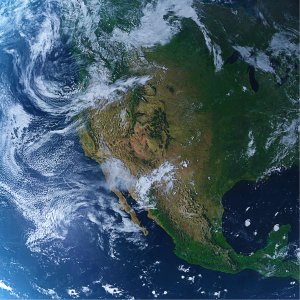
North America from space

A recent NSF-sponsored joint NCAR and NEON workshop, Predicting life in the Earth system – linking the geosciences and ecology brought together members of the atmospheric science and ecological communities to discuss how to advance the capability of Earth system prediction to include terrestrial ecosystems and biological resources. 52 attendees (~ 20 NCAR and NEON and 32 from the university community) participated.

The workshop’s overarching theme focused on convergent research between the geosciences and ecology for ecological forecasting and prediction at sub-seasonal to seasonal, seasonal to decadal, and centennial timescales. Specific goals were to:

  • bring together atmospheric scientists and ecologists to leverage the expertise, facilitate further engagement, and promote synergies among those research communities to observe, monitor, and model ecosystems and atmosphere-ecosystem interactions in a changing planet;
  • highlight progress and accomplishments in ecological forecasting and prediction and to identify observational, infrastructure (both data services and community models), and computational challenges that limit current capabilities; and
  • identify new initiatives, collaborations, and science questions.

The workshop identified some tangible synergies and paths forward. The two most prominent ideas which were identified across the participants were the incorporation of NEON data into the NCAR Community Land Model (CLM) and the subsequent modelling of NEON core sites. Workshop participants further identified the potential for one or more NEON sites to serve as 'Super Sites' in the future. Super sites would serve as collaborative research hotspots where NEON, NCAR, and community resources could be leveraged to improve the CLM and its predictive capacity. 

A second follow-up workshop will occur in ~ April 2020 with the lead-up time serving as a working period for the ingest of NEON data into the NCAR CLM, defining the characteristics and specific objectives of  a potential 'Super Site" and the preparation of manuscripts related to the workshop perspectives.

Learn more about this workshop

Share

Related Posts:

Unlocking the Secrets of Soil Microbial Metabolites

February 2, 2026

Petri dishes of bacteria cultures

Featured Expert: Tong Qiu - Mapping Forest Fecundity

October 31, 2025

Featured expert Tong Qiu headshot

Featured Expert: Paula Mabee on the Future of AI in Ecology

July 29, 2025

Dr. Paula Mabee, NEON Chief Scientist and Observatory Director
NSF NEON, Operated by Battelle

Follow Us:

Join Our Newsletter

Get updates on events, opportunities, and how NEON is being used today.

Subscribe Now

Footer

  • About Us
  • Contact Us
  • Terms & Conditions
  • Careers
  • Code of Conduct

Copyright © Battelle, 2026

The National Ecological Observatory Network is a major facility fully funded by the U.S. National Science Foundation.

Any opinions, findings and conclusions or recommendations expressed in this material do not necessarily reflect the views of the U.S. National Science Foundation.