The Big Question: How is Insect Biodiversity Changing Over Time?
March 24, 2026

The Big Question
How are insect communities changing across ecosystems over time, and what environmental factors are driving those changes?
Who cares?
Insects play essential roles in ecosystems, from nutrient cycling and soil health to food web support and pest regulation. Changes in insect biodiversity can ripple outward, affecting ecosystem stability, agricultural productivity and the services people depend on. Understanding not just what is changing, but why, is critical for anticipating and responding to ecosystem stress.
NEON Biorepository samples:
• Ground beetles sampled from pitfall traps data product
• Ground beetle sequences DNA barcode data product
• Invertebrate Bycatch Collection (Archive Pooling)
• Invertebrate Bycatch Collection (Trap Sorting)
How NEON data helps answer this question:
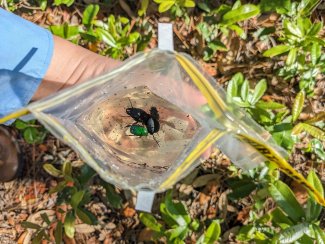
NEON’s strength lies in collecting biological samples alongside a rich suite of environmental measurements, using the same methods across sites and years. For insects, this pairing is especially powerful. Pitfall traps capture ground-dwelling insect communities while nearby sensors and observations record temperature, moisture, vegetation structure and other conditions that help researchers explore potential drivers of change.
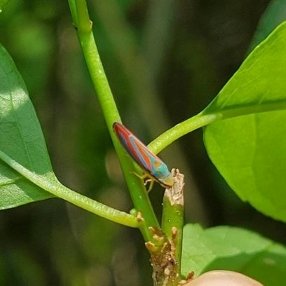
Carabid beetles are a key focus because they respond quickly to environmental shifts and are closely tied to habitat conditions, making them effective sentinels of ecosystem change. In addition, pitfall trap bycatch preserves the wider insect communities, not just target species. These archived samples allow researchers to revisit past collections as new analytical tools become available, including emerging AI-based approaches for identifying specimens at scale. Over time, the combination of physical samples and co-collected environmental data makes it possible to move beyond documenting biodiversity change to better understanding the mechanisms behind it.
“Terrestrial insects appear to be declining by about 9% per decade, but the patterns vary widely across regions, time periods, and taxonomic groups. Understanding what is driving those differences, and which groups are most vulnerable, is critical, especially given the many ecosystem services insects provide. NEON’s data and specimens provide a powerful resource for exploring these complex changes.”
- Sara Paull, Research Scientist, Disease Ecology, NEON-Battelle