NEON at ESA 2024
Open data = science for all
The National Ecological Observatory Network (NEON) is a continental-scale ecological observation facility fully funded by NSF and operated by Battelle. NEON collects and provides open data and samples from field sites across the United States to characterize and quantify how our nation's ecosystems are changing. The comprehensive data, spatial extent, and remote sensing technology provided by the NEON program contribute to a better understanding and more accurate forecasting of how human activities impact ecology and how we can more effectively address critical ecological questions and issues.
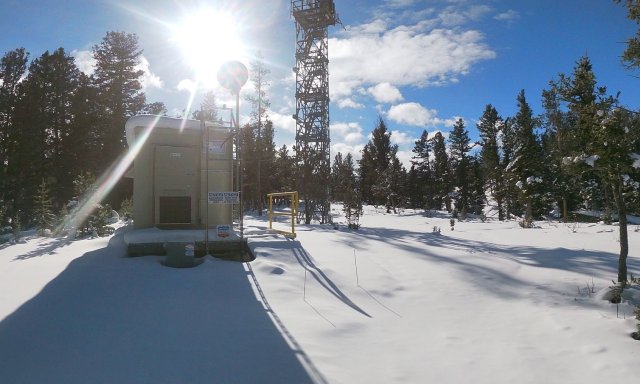
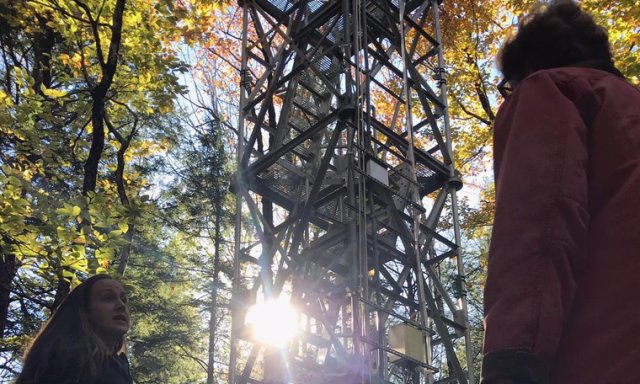
NEON data and resources are freely available to enable users to tackle scientific questions at scales not accessible to previous generations of ecologists. The Observatory includes 81 field sites (47 terrestrial and 34 aquatic) located in different ecosystems across the United States (including Alaska, Hawaii, and Puerto Rico). Data collection methods are standardized across sites and include automated instrument measurements, observational field sampling, and airborne remote sensing surveys. Field sites are strategically selected to represent different regions of vegetation, landforms, climate, and ecosystem performance. The NEON data catalog includes over 180 data products. The Observatory also archives biological, genomic, and geological samples, available upon request and curated by the NEON Biorepository at Arizona State University.
NEON is part of a bold effort to:
- Understand and forecast continental-scale environmental change
- Inform natural resource decisions
- Engage the next generation of scientists
Join us! What questions will you answer?
Featured video
More science videos
These videos give a better understanding of the NEON program, explain data collection techniques, and explore scientific concepts related to ecological data. Many of them are short, engaging animated videos that teach key data concepts and tell ecological stories using data and are perfect for adding to presentations and classroom discussions.
NEON-led Events at ESA
The meeting program is now live.
All times Pacific Daylight Time
Short Courses and Workshops
Explore and Work with Continental-Scale Biodiversity Data Using the ecocomDP R package: An Introduction to Analysis-Ready Data from NEON and the US LTER
NEON organizer: Eric Sokol
Time: Sunday August 4 - 9:00 AM - 12:00 PM. Room 201A.
Explore and Use NEON Sample and Specimen Data
NEON organizer: Kelsey Yule
Time: Tuesday August 6 - 11:45 AM - 1:15 PM. Room 104C.
An Introduction to the NEON Ecological Forecasting Challenge: A Hands-On Example Using Ground Beetle Abundance and Richness
NEON organizer: Eric Sokol
Time: Thursday August 8 - 11:45 AM - 1:15 PM. Room 104B.
Oral Sessions / Talks
Long-Term Environmental Data Science: How the Evolving Life Cycles of Data, Observatory Networks, Synthesis Centers, and Careers are Shaping Ecology in the 21st Century
NEON organizer: Erik Sokol
Time: Monday August 5 - 3:30 PM - 5:00 PM. Room 104B.
Data Dialogues: Towards Deep Indexing of Ecological Survey and Trap Data
NEON co-organizer: Kelsey Yule
Time: Monday August 5 - 3:30 PM - 5:00 PM. Room 101B.
NEON: Big data enabling research across biology (Talk)
NEON presenter: Paula Mabee
Time: Tuesday August 6 - 1:30 PM – 3:00 PM. Room 104B.
Posters
The National Ecological Observatory Network (NEON) small mammal collections: Insights to date and opportunities for future research
NEON author: Kelsey Yule
Time: Tuesday August 6 - 5:00 PM - 6:30 PM
Predicting throughfall in US ecosystems based on vegetation structure and meteorological conditions
NEON author: Ed Ayres
Time: Wednesday August 7 - 5:00 PM - 6:30 PM
Who's using NEON data and resources at this year's conference? Search on the ESA program abstracts with "NEON"!
Explore NEON resources
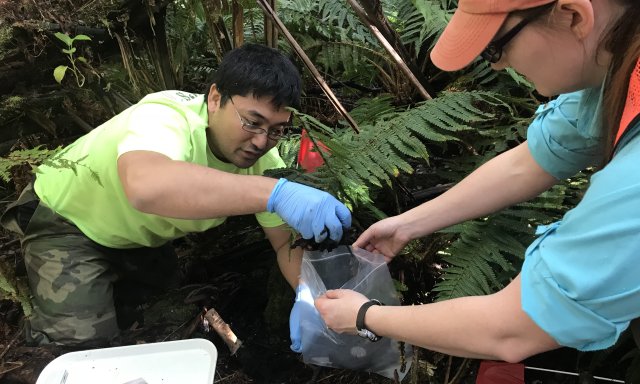
NEON provides a variety of resources to support researchers, educators, and students in using NEON data including:
Data Tutorials
Looking to improve your data skills using specific tools like R or Python? Want to learn more about working with a specific NEON data product?
NEON develops online tutorials to help you improve your research. These self-paced tutorials are designed for you to used as standalone help on a single topic or as a series to learn new techniques.
Teaching Modules
For educators, NEON provides Teaching Modules that include lesson outlines, curated datasets, and data skills activities to teach essential ecological concepts with accompanying data skills. Teaching modules are cross-listed on QUBES Hub and through other collaborating projects.
We welcome inquires from instructors interested in using NEON data in their own classrooms.
Workshops
Workshops can range from a few hours to a week and teach specific skills and provide more insight into NEON data.
NEON workshops are posted on our Upcoming Events page. You can browse our upcoming workshops here, and also find links to past workshops and recorded events. Contact us with any questions about our workshops and trainings.
Information for Researchers
This page includes a variety of information to help researchers plan their research and submit proposals to funding agencees, including the National Science Foundation. Topics include AOP flight schedules and interannual observational sampling schedules, site access guidelines, how to request a letter of support and how to request an assignable assets.
Everything NEON at ESA2022
Browse ProgramHave feedback for NEON? Want want to hear from you!
Feedback Survey