
NSF NEON, Operated by Battelle

Main navigation

  • About
    • NEON Overview
      • Vision and Management
      • Spatial and Temporal Design
      • History
    • About the NEON Biorepository
      • ASU Biorepository Staff
      • Contact the NEON Biorepository
    • Observatory Blog
    • Newsletters
    • Staff
    • FAQ
    • Contact Us

    About

  • Data
    • Data Portal
      • Data Availability Charts
      • API & GraphQL
      • Prototype Data
      • Externally Hosted Data
    • Data Collection Methods
      • Airborne Observation Platform (AOP)
      • Instrument System (IS)
        • Instrumented Collection Types
        • Aquatic Instrument System (AIS)
        • Terrestrial Instrument System (TIS)
      • Observational System (OS)
        • Observation Types
        • Observational Sampling Design
        • Sampling Schedules
        • Taxonomic Lists Used by Field Staff
        • Optimizing the Observational Sampling Designs
      • Protocols & Standardized Methods
    • Getting Started with NEON Data
      • neonUtilities for R and Python
      • Learning Hub
      • Code Hub
    • Using Data
      • Data Formats and Conventions
      • Released, Provisional, and Revised Data
      • Data Product Bundles
      • Usage Policies
      • Acknowledging and Citing NEON
      • Publishing Research Outputs
    • Data Notifications
    • NEON Data Management
      • Data Availability
      • Data Processing
      • Data Quality

    Data

  • Samples & Specimens
    • Biorepository Sample Portal at ASU
    • About Samples
      • Sample Types
      • Sample Repositories
      • Megapit and Distributed Initial Characterization Soil Archives
    • Finding and Accessing Sample Data
      • Species Checklists
      • Sample Explorer - Relationships and Data
      • Biorepository API
    • Requesting and Using Samples
      • Loans & Archival Requests
      • Usage Policies

    Samples & Specimens

  • Field Sites
    • Field Site Map and Info
    • Spatial Layers & Printable Maps

    Field Sites

  • Resources
    • Getting Started with NEON Data
    • Research Support Services
      • Field Site Coordination
      • Letters of Support
      • Mobile Deployment Platforms
      • Permits and Permissions
      • AOP Flight Campaigns
      • Research Support FAQs
      • Research Support Projects
    • Code Hub
      • neonUtilities for R and Python
      • Code Resources Guidelines
      • Code Resources Submission
      • NEON's GitHub Organization Homepage
    • Learning Hub
      • Tutorials
      • Workshops & Courses
      • Science Videos
      • Teaching Modules
    • Science Seminars and Data Skills Webinars
    • Document Library
    • Funding Opportunities

    Resources

  • Impact
    • Research Highlights
    • Papers & Publications
    • NEON in the News

    Impact

  • Get Involved
    • Upcoming Events
    • Research and Collaborations
      • Environmental Data Science Innovation and Inclusion Lab
      • Collaboration with DOE BER User Facilities and Programs
      • EFI-NEON Ecological Forecasting Challenge
      • NEON Great Lakes User Group
      • NCAR-NEON-Community Collaborations
    • Advisory Groups
      • Science, Technology & Education Advisory Committee
      • Technical Working Groups
    • NEON Ambassador Program
      • Exploring NEON-Derived Data Products Workshop Series
    • Partnerships
    • Community Engagement
    • Work Opportunities

    Get Involved

  • My Account
  • Search

Search

Citizen Scientists Extend Beetle Research at Yellowstone

A comparison of baited traps for mosquito and tick collections

Carbon dioxide traps are frequently used to bait mosquitoes during field sampling. Since NEON monitors naturally occurring CO2 in the atmosphere, sampling designs must test how mosquito traps affect CO2 sensors and implement measures to reduce or eliminate potential interference. NEON project staff conducted a performance study of combinations of three trap types, two forms of dry ice and three wind speeds to inform site and sampling design to ensure standardized and high-quality data.
Study description

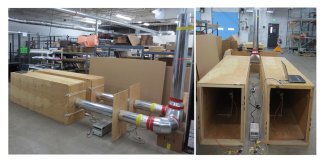
NEON project staff collected data to evaluate variation in the performance of different types of CO2-baited traps used to collect blood-feeding arthropods (e.g., mosquitoes, ticks). An experimental flume apparatus was constructed in our shipping/receiving warehouse for use in data collection. NEON staff measured the performance of all combinations of three trap types, two forms of dry ice and three wind speeds by placing a trap in one end of the flume and measuring the concentration of carbon dioxide released over a period of up to 24 hours. Additionally, we measured the performance of carbon dioxide traps baited with CO2 released from compressed gas cylinders, and compared these results to the measured performance of dry ice-baited trap types.

Study methodology

Data were collected during a period from February 27, 2012 through September 28, 2012. The date and time that each datum was collected is reported as the value for the variable “Timestamp” in each of the two data files associated with this study. As indicated, the experimental flume apparatus was built in our shipping/receiving warehouse, and all data were collected at this location (latitude: 40.016511, longitude: -105.245762)

Downloadable data

Insect flume study data zip file download

Summary of recommendations

Among the three dry-ice baited trap types tested, traps involving insulated coolers are recommended. These were the only traps capable of sampling for continuous 24-hour periods when baited with 1,400g of dry ice. They were associated with a relatively low but consistent level of baiting intensity throughout the trials. This performance was matched and slightly exceeded by traps baited with carbon dioxide from compressed gas cylinders. Trials involving these traps lasted for roughly the same duration and were associated with slightly lower values of both mean and maximum baiting intensity and variation in baiting intensity during trials. However, these minor improvements do not outweigh the significant cost differential between dry ice and compressed gas carbon dioxide. Dry ice-baited insulated cooler traps clearly represent the best balance of performance and price. Further, insulated cooler traps exhibit little if any variation in performance related to dry ice form (pellet versus block) and wind speed, indicating that they are likely to provide greater standardization in the face of variation in environmental conditions and sampling supplies sometimes encountered in the field.


Tags:

Files:

Insect-Trap-Flume-Study-Data.zip (1.51 MB)
Subscribe to terrestrial organisms
NSF NEON, Operated by Battelle

Follow Us:

Join Our Newsletter

Get updates on events, opportunities, and how NEON is being used today.

Subscribe Now

Footer

  • About Us
  • Contact Us
  • Terms & Conditions
  • Careers
  • Code of Conduct

Copyright © Battelle, 2026

The National Ecological Observatory Network is a major facility fully funded by the U.S. National Science Foundation.

Any opinions, findings and conclusions or recommendations expressed in this material do not necessarily reflect the views of the U.S. National Science Foundation.