NSF NEON, Operated by Battelle

Main navigation

  • About
    • NEON Overview
      • Vision and Management
      • Spatial and Temporal Design
      • History
    • About the NEON Biorepository
      • ASU Biorepository Staff
      • Contact the NEON Biorepository
    • Observatory Blog
    • Newsletters
    • Staff
    • FAQ
    • Contact Us

    About

  • Data
    • Data Portal
      • Data Availability Charts
      • API & GraphQL
      • Prototype Data
      • Externally Hosted Data
    • Data Collection Methods
      • Airborne Observation Platform (AOP)
      • Instrument System (IS)
        • Instrumented Collection Types
        • Aquatic Instrument System (AIS)
        • Terrestrial Instrument System (TIS)
      • Observational System (OS)
        • Observation Types
        • Observational Sampling Design
        • Sampling Schedules
        • Taxonomic Lists Used by Field Staff
        • Optimizing the Observational Sampling Designs
      • Protocols & Standardized Methods
    • Getting Started with NEON Data
      • neonUtilities for R and Python
      • Learning Hub
      • Code Hub
    • Using Data
      • Data Formats and Conventions
      • Released, Provisional, and Revised Data
      • Data Product Bundles
      • Usage Policies
      • Acknowledging and Citing NEON
      • Publishing Research Outputs
    • Data Notifications
    • NEON Data Management
      • Data Availability
      • Data Processing
      • Data Quality

    Data

  • Samples & Specimens
    • Biorepository Sample Portal at ASU
    • About Samples
      • Sample Types
      • Sample Repositories
      • Megapit and Distributed Initial Characterization Soil Archives
    • Finding and Accessing Sample Data
      • Species Checklists
      • Sample Explorer - Relationships and Data
      • Biorepository API
    • Requesting and Using Samples
      • Loans & Archival Requests
      • Usage Policies

    Samples & Specimens

  • Field Sites
    • Field Site Map and Info
    • Spatial Layers & Printable Maps

    Field Sites

  • Resources
    • Getting Started with NEON Data
    • Research Support Services
      • Field Site Coordination
      • Letters of Support
      • Mobile Deployment Platforms
      • Permits and Permissions
      • AOP Flight Campaigns
      • Research Support FAQs
      • Research Support Projects
    • Code Hub
      • neonUtilities for R and Python
      • Code Resources Guidelines
      • Code Resources Submission
      • NEON's GitHub Organization Homepage
    • Learning Hub
      • Tutorials
      • Workshops & Courses
      • Science Videos
      • Teaching Modules
    • Science Seminars and Data Skills Webinars
    • Document Library
    • Funding Opportunities

    Resources

  • Impact
    • Research Highlights
    • Papers & Publications
    • NEON in the News

    Impact

  • Get Involved
    • Upcoming Events
    • Research and Collaborations
      • Environmental Data Science Innovation and Inclusion Lab
      • Collaboration with DOE BER User Facilities and Programs
      • EFI-NEON Ecological Forecasting Challenge
      • NEON Great Lakes User Group
      • NCAR-NEON-Community Collaborations
    • Advisory Groups
      • Science, Technology & Education Advisory Committee
      • Technical Working Groups
    • NEON Ambassador Program
      • Exploring NEON-Derived Data Products Workshop Series
    • Partnerships
    • Community Engagement
    • Work Opportunities

    Get Involved

  • My Account
  • Search

Search

Welcome to the updated NEON website! This site features more intuitive navigation and a seamlessly integrated Biorepository portal, making it easier to explore NEON data, samples and resources. For a brief summary of changes visit this page. Your feedback is welcome through our webform through February 20.

Breadcrumb

  1. Get Involved
  2. Work Opportunities
  3. Seasonal Fieldwork Opportunities

Seasonal Fieldwork Opportunities
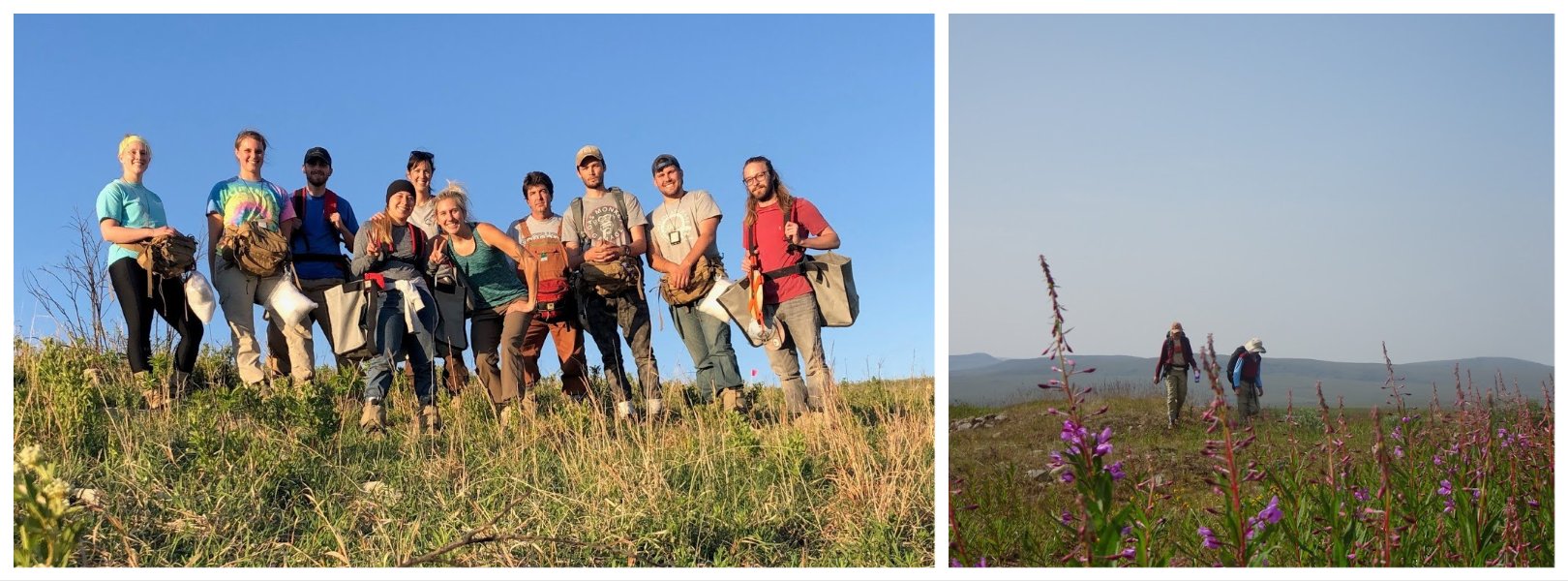
Seasonal fieldwork banner

Each year, NEON hires hundreds of temporary field technicians (TFTs) to assist with observational sampling. NEON field sites are located in 24 states across the U.S. plus Puerto Rico in some of the nation's most pristine and wild areas. These seasonal opportunities are perfect for scientists who want to explore fieldwork and gain experience collecting data for a continental-scale ecology program.

These positions start in spring (February to June) and end in autumn (August to November). Exact dates are based on sampling schedules in each Domain and vary by location.

Visit the Battelle Careers page to search for NEON job openings.

Search NEON Openings 

NEON also has several field internship positions available each year through the Student Conservation Association (SCA), the largest provider of hands-on environmental conservation programs. Search for NEON positions on their webpage.


Types of work activities

Fieldwork

The type of fieldwork will depend on your experience and interest in terrestrial (i.e. fauna and flora) or aquatic ecology. Fieldwork will include navigating with a map, compass, and GPS, and learning plot and subplot layouts for sampling and subsampling taxa. Field technicians conduct the following protocols:

  • Fauna technicians: beetles, ticks, mosquitoes, soils, and mammals
  • Flora technicians: plant phenology, plant diversity, herbaceous biomass collections, below-ground biomass, litterfall, canopy foliage, vegetation structure, and coarse downed wood
  • Aquatic technicians: surface water chemistry, dissolved gases, isotopes, aquatic microbes, groundwater chemistry, discharge, reaeration, aquatic plants, invertebrates/zooplankton, algae, benthic microbes, sediment chemistry, geomorphology/bathymetry, fish electroshocking, and riparian habitat assessment

Lab work

Field technicians conduct a variety of laboratory activities, which include:

  • Identifying, sorting, and processing vegetation samples
  • Handling, identifying, and processing invertebrate specimens and samples
  • Measuring pH and conducting titrations
  • Preparing and shipping samples
  • Operating laboratory equipment (e.g. drying oven, analytical balance)
  • Data entry and data quality control
  • Fieldwork preparation and cleanup

Field technicians may also have the opportunity to help maintain field site instrumentation, which includes calibrating sensors, troubleshooting problems, site maintenance, and assisting with corrective maintenance of sensors. Ideal candidates would have some experience with using instruments in the laboratory or field, a mechanical mindset, and most importantly the willingness to learn.

Gain valuable experience

Temporary field technician positions are an excellent way to explore ecological science hands-on, gain access to network of other scientists, and make a difference. Here are just some of the benefits:

  • Receive training in ecological sampling methods and procedures
  • Gain experience doing field observations, sample collection, and lab work using a wide variety of field ecology protocols to hone your science career interests
  • Live and work in some of the most beautiful places in the nation
  • Work alongside and network with other early-career ecologists/scientists to build opportunities for your future

Make a difference and gather new knowledge

The days can be long and the work rigorous at times, including hiking in tough terrain, but the work is interesting, meaningful, and immersed in nature. Depending on your experience and interests, you may become a fauna, flora, or aquatic technician. Either way, you will learn basic field methods for collecting ecological data. Additionally, the data you collect will be used by researchers, policymakers, and educators to better understand how ecosystems function and change over time.

Are you a TFT Alumnus?

Join our Alumni Networks on LinkedIn and Facebook!

NSF NEON, Operated by Battelle

Follow Us:

Join Our Newsletter

Get updates on events, opportunities, and how NEON is being used today.

Subscribe Now

Footer

  • About Us
  • Contact Us
  • Terms & Conditions
  • Careers
  • Code of Conduct

Copyright © Battelle, 2026

The National Ecological Observatory Network is a major facility fully funded by the U.S. National Science Foundation.

Any opinions, findings and conclusions or recommendations expressed in this material do not necessarily reflect the views of the U.S. National Science Foundation.