NSF NEON, Operated by Battelle

Main navigation

  • About
    • NEON Overview
      • Vision and Management
      • Spatial and Temporal Design
      • History
    • About the NEON Biorepository
      • ASU Biorepository Staff
      • Contact the NEON Biorepository
    • Observatory Blog
    • Newsletters
    • Staff
    • FAQ
    • Contact Us

    About

  • Data
    • Data Portal
      • Data Availability Charts
      • API & GraphQL
      • Prototype Data
      • Externally Hosted Data
    • Data Collection Methods
      • Airborne Observation Platform (AOP)
      • Instrument System (IS)
        • Instrumented Collection Types
        • Aquatic Instrument System (AIS)
        • Terrestrial Instrument System (TIS)
      • Observational System (OS)
        • Observation Types
        • Observational Sampling Design
        • Sampling Schedules
        • Taxonomic Lists Used by Field Staff
        • Optimizing the Observational Sampling Designs
      • Protocols & Standardized Methods
    • Getting Started with NEON Data
      • neonUtilities for R and Python
      • Learning Hub
      • Code Hub
    • Using Data
      • Data Formats and Conventions
      • Released, Provisional, and Revised Data
      • Data Product Bundles
      • Usage Policies
      • Acknowledging and Citing NEON
      • Publishing Research Outputs
    • Data Notifications
    • NEON Data Management
      • Data Availability
      • Data Processing
      • Data Quality

    Data

  • Samples & Specimens
    • Biorepository Sample Portal at ASU
    • About Samples
      • Sample Types
      • Sample Repositories
      • Megapit and Distributed Initial Characterization Soil Archives
    • Finding and Accessing Sample Data
      • Species Checklists
      • Sample Explorer - Relationships and Data
      • Biorepository API
    • Requesting and Using Samples
      • Loans & Archival Requests
      • Usage Policies

    Samples & Specimens

  • Field Sites
    • Field Site Map and Info
    • Spatial Layers & Printable Maps

    Field Sites

  • Resources
    • Getting Started with NEON Data
    • Research Support Services
      • Field Site Coordination
      • Letters of Support
      • Mobile Deployment Platforms
      • Permits and Permissions
      • AOP Flight Campaigns
      • Research Support FAQs
      • Research Support Projects
    • Code Hub
      • neonUtilities for R and Python
      • Code Resources Guidelines
      • Code Resources Submission
      • NEON's GitHub Organization Homepage
    • Learning Hub
      • Tutorials
      • Workshops & Courses
      • Science Videos
      • Teaching Modules
    • Science Seminars and Data Skills Webinars
    • Document Library
    • Funding Opportunities

    Resources

  • Impact
    • Research Highlights
    • Papers & Publications
    • NEON in the News

    Impact

  • Get Involved
    • Upcoming Events
    • Research and Collaborations
      • Environmental Data Science Innovation and Inclusion Lab
      • Collaboration with DOE BER User Facilities and Programs
      • EFI-NEON Ecological Forecasting Challenge
      • NEON Great Lakes User Group
      • NCAR-NEON-Community Collaborations
    • Advisory Groups
      • Science, Technology & Education Advisory Committee
      • Technical Working Groups
    • NEON Ambassador Program
      • Exploring NEON-Derived Data Products Workshop Series
    • Partnerships
    • Community Engagement
    • Work Opportunities

    Get Involved

  • My Account
  • Search

Search

Welcome to the updated NEON website! This site features more intuitive navigation and a seamlessly integrated Biorepository portal, making it easier to explore NEON data, samples and resources. For a brief summary of changes visit this page. Your feedback is welcome through our webform through February 20.

NEON Overview

  • Vision and Management
  • Spatial and Temporal Design
  • History

Breadcrumb

  1. About
  2. NEON Overview
  3. History

History

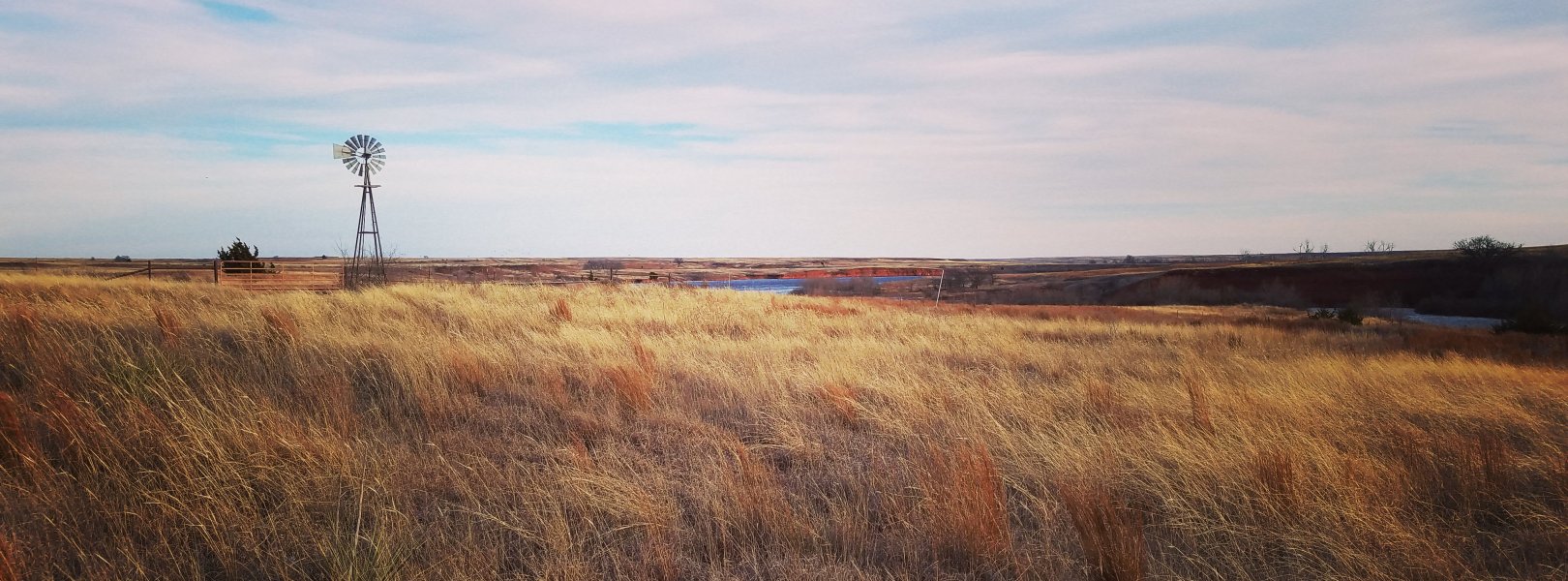
Landscape at the OAES field site

A Telescope Trained on Earth

The National Ecological Observatory Network (NEON) was conceived in the late 20th century as an instrument to advance the ability of scientists to examine and understand the interactions between life and the environment at the scale of an entire continent. Since then, technology and research tools have rapidly evolved to support science at a scale that hardly anyone imagined a generation ago.

Hundreds of scientists and engineers have contributed their expertise to plan, design, and operate a grand instrument that can harness the power of networked technology to gather and provide high-quality information on interactions between land, life, water, and climate across a continent and over the course of a human generation. The insights gleaned from NEON data and tools can inform decisions at the national and community levels that will impact natural resource management and human well-being for generations to come.

The First Big Ecology Project

The NEON program is the first life science project to be constructed solely with U.S. National Science Foundation (NSF) Major Research Equipment and Facilities Construction (MREFC) funding. This type of funding is reserved for national or international projects such as space telescopes and particle accelerators that advance the boundaries of science and engineering and generate data and resources to support the work of hundreds or thousands of researchers over several decades.

A Brief History

The NEON program could not have become a reality without contributions from many dedicated scientists to conceptualize and design the Observatory. As early as 1999, ecologists and biologists were meeting to discuss a need for a Biodiversity Observation Network (BON). By 2000, the idea had developed into a more comprehensive "ecological observatory network" that would address continental-scale questions. Ideas for NEON officially began to gel in 2000 with a series of workshops that continued until 2005. An initial plan for NEON was completed in 2006.

Over the next five years the NEON design, plan, and budget were formally reviewed and revised multiple times until NSF, the National Science Board, and Congress approved funds to build NEON in 2011.

After NSF awarded the management of the NEON program to Battelle in 2016, construction of the Observatory was completed in early 2019. The completed Observatory includes 81 field sites and an airborne observation platform as well as the information infrastructure needed to gather data and metadata from sensors and field sampling, ensure data quality, process the information into data products, and deliver those products to users via an online portal. Subsequently, NEON entered its operations phase in the summer of 2019.
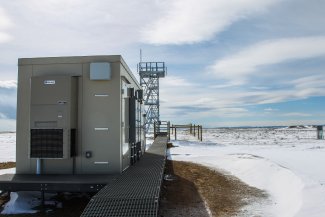
First day of field deployment at  the CPER field site

First day of field deployment at the CPER field site.


NSF NEON, Operated by Battelle

Follow Us:

Join Our Newsletter

Get updates on events, opportunities, and how NEON is being used today.

Subscribe Now

Footer

  • About Us
  • Contact Us
  • Terms & Conditions
  • Careers
  • Code of Conduct

Copyright © Battelle, 2026

The National Ecological Observatory Network is a major facility fully funded by the U.S. National Science Foundation.

Any opinions, findings and conclusions or recommendations expressed in this material do not necessarily reflect the views of the U.S. National Science Foundation.