NSF NEON, Operated by Battelle

Main navigation

    • About Overview
    • NEON Overview
    • About the NEON Biorepository
    • Observatory Blog
    • Newsletters
    • Staff
    • FAQ
    • User Accounts
    • Contact Us
    • Data Overview
    • Data Portal
    • Data Availability Charts
    • API & GraphQL
    • Prototype Data
    • Data Collection Methods
    • Getting Started with NEON Data
    • Using Data
    • Data Notifications
    • NEON Data Management
    • Samples & Specimens Overview
    • NEON Biorepository Sample Portal at ASU
    • About NEON Samples
    • Sample Types
    • Finding and Accessing Sample Data
    • Species Checklists
    • Requesting and Using Samples
    • Acknowledging and Citing the NEON Biorepository
    • Biorepository Research Projects
    • Field Sites Overview
    • Field Site Map and Info
    • Spatial Data Layers & Maps
    • Resources Overview
    • Getting Started with NEON Data
    • Research Support Services
    • Code Hub
    • Learning Hub
    • Science Seminars and Data Skills Webinars
    • Document Library
    • Funding Opportunities
    • Impact Overview
    • Research Highlights
    • Papers & Publications
    • NEON in the News
    • Get Involved Overview
    • Upcoming Events
    • Past Events
    • Research and Collaborations
    • Advisory Groups
    • NEON Ambassador Program
    • Partnerships
    • Community Engagement
    • Work Opportunities

Search

Data Collection Methods

  • Airborne Observation Platform (AOP)
  • Instrument System (IS)
  • Observational System (OS)
  • Protocols & Standardized Methods

Breadcrumb

  1. Data
  2. Data Collection Methods
  3. Observational System (OS)

Observational Sampling
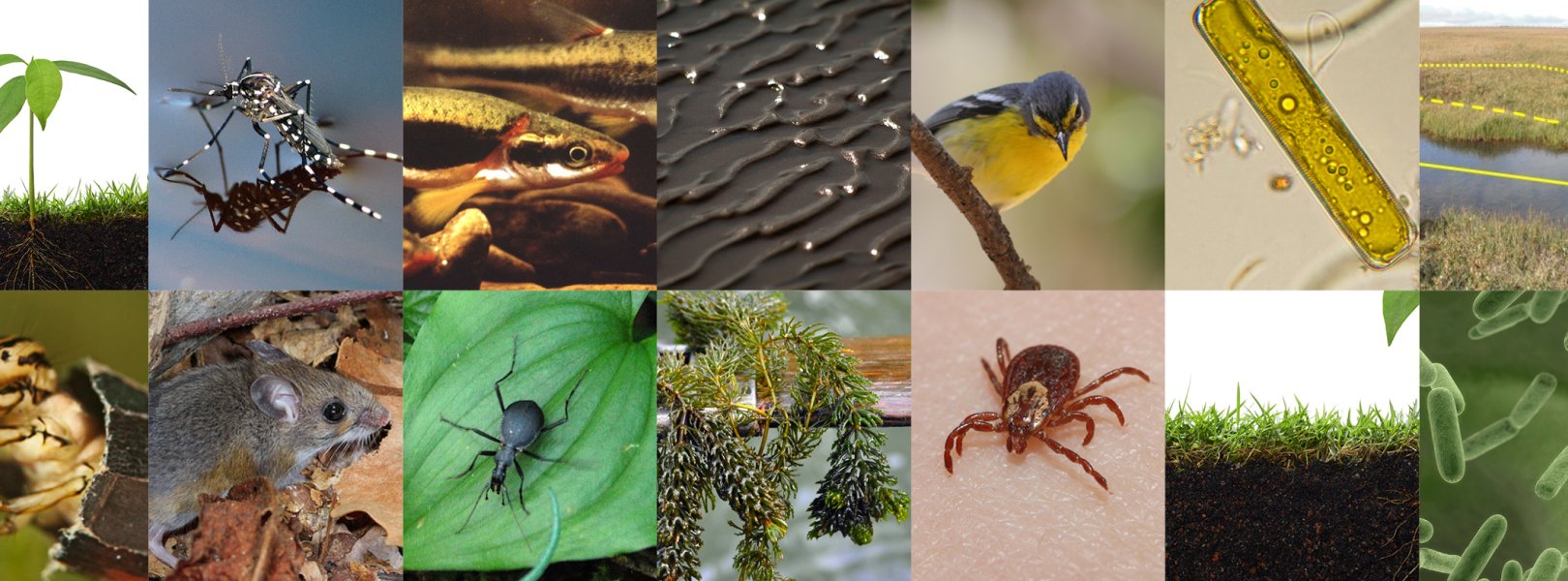
Observational sampling data collection

NEON field scientists collect a broad variety of observations and samples at terrestrial and aquatic field sites at regular intervals throughout the year. The observations are designed to provide standardized, continentally distributed observations of organisms, biogeochemistry, and physical properties. Combined with automated instrument measurements and airborne remote sensing data surveys, they provide an unprecedented opportunity to study ecosystem-level change over time. Where logistically possible, NEON colocated aquatic sites with terrestrial sites (21 pairs in total) to support an understanding of linkages across atmospheric, terrestrial, and aquatic ecosystems.

Observation Types

NEON collects a wide range of observations that characterize terrestrial and freshwater plant and animal populations as well as environmental properties and processes.
Learn more
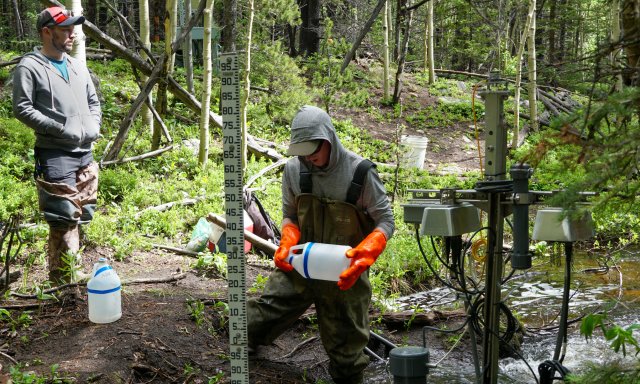
D13 COMO aquatic water jug sampling

Sampling Design

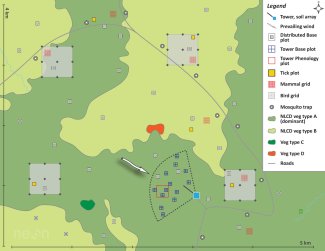
A spatially-balanced sampling design was used to establish observational sampling plots that support site-wide characterization of organismal, community, and biogeochemical dynamics. Learn more about these interconnected designs.
Learn more
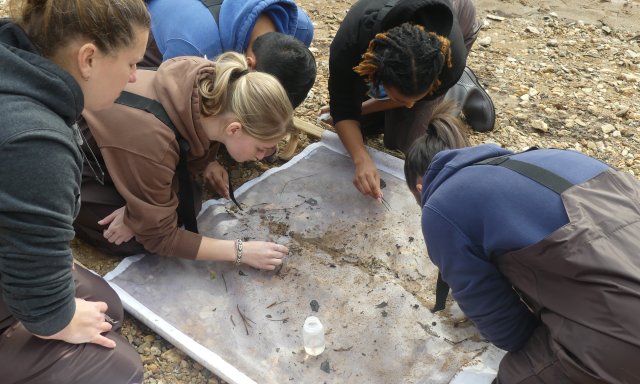
Students learn kick net sampling.

Sampling Schedules

The timing and frequency of aquatic and terrestrial observations vary depending on the measurement type. Processes that are expected to change quickly are sampled more frequently than those with slow rates of change.
Explore the schedules
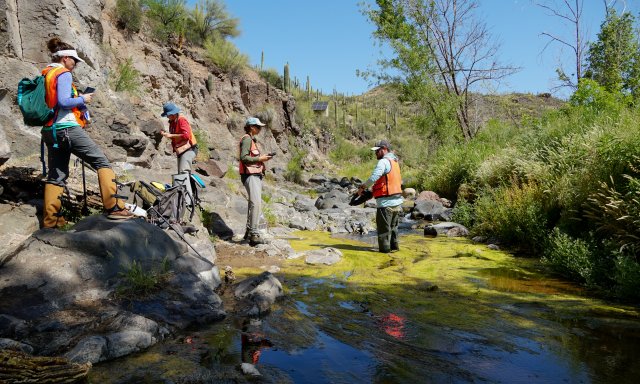
Water Chem Sampling and Processing

Taxonomic Lists

Taxonomic lists are compiled from a variety of published sources for use by field staff. We provide these lists as a reference.

View the lists

Optimizing the OS Design

The initial observation system designs were developed in collaboration with community experts, and NEON routinely uses available data to statistically evaluate and adjust the designs to better support research, incorporate new technologies, and find efficiencies.
Learn more
Image
Terrestrial Observational Sampling Spatial layout with Legend
NSF NEON, Operated by Battelle

Follow Us:

Join Our Newsletter

Get updates on events, opportunities, and how NEON is being used today.

Subscribe Now

Footer

  • About Us
  • Contact Us
  • Terms & Conditions
  • Careers
  • Code of Conduct

Copyright © Battelle, 2026

The National Ecological Observatory Network is a major facility fully funded by the U.S. National Science Foundation.

Any opinions, findings and conclusions or recommendations expressed in this material do not necessarily reflect the views of the U.S. National Science Foundation.