NSF NEON, Operated by Battelle

Main navigation

    • About Overview
    • NEON Overview
    • About the NEON Biorepository
    • Observatory Blog
    • Newsletters
    • Staff
    • FAQ
    • User Accounts
    • Contact Us
    • Data Overview
    • Data Portal
    • Data Availability Charts
    • API & GraphQL
    • Prototype Data
    • Data Collection Methods
    • Getting Started with NEON Data
    • Using Data
    • Data Notifications
    • NEON Data Management
    • Samples & Specimens Overview
    • NEON Biorepository Sample Portal at ASU
    • About NEON Samples
    • Sample Types
    • Finding and Accessing Sample Data
    • Species Checklists
    • Requesting and Using Samples
    • Requesting Samples from the NEON Biorepository
    • Sample Use Guidelines
    • Acknowledging and Citing the NEON Biorepository
    • Field Sites Overview
    • Field Site Map and Info
    • Spatial Data Layers & Maps
    • Resources Overview
    • Getting Started with NEON Data
    • Research Support Services
    • Code Hub
    • Learning Hub
    • Science Seminars and Data Skills Webinars
    • Document Library
    • Funding Opportunities
    • Impact Overview
    • Research Highlights
    • Papers & Publications
    • NEON in the News
    • Get Involved Overview
    • Upcoming Events
    • Past Events
    • Research and Collaborations
    • Advisory Groups
    • NEON Ambassador Program
    • Partnerships
    • Community Engagement
    • Work Opportunities

Search

Data

  • Data Portal
  • Data Collection Methods
  • Getting Started with NEON Data
  • Using Data
  • Data Notifications
  • NEON Data Management

Breadcrumb

  1. Data
  2. Data Collection Methods

Data Collection Methods
Data collection banner

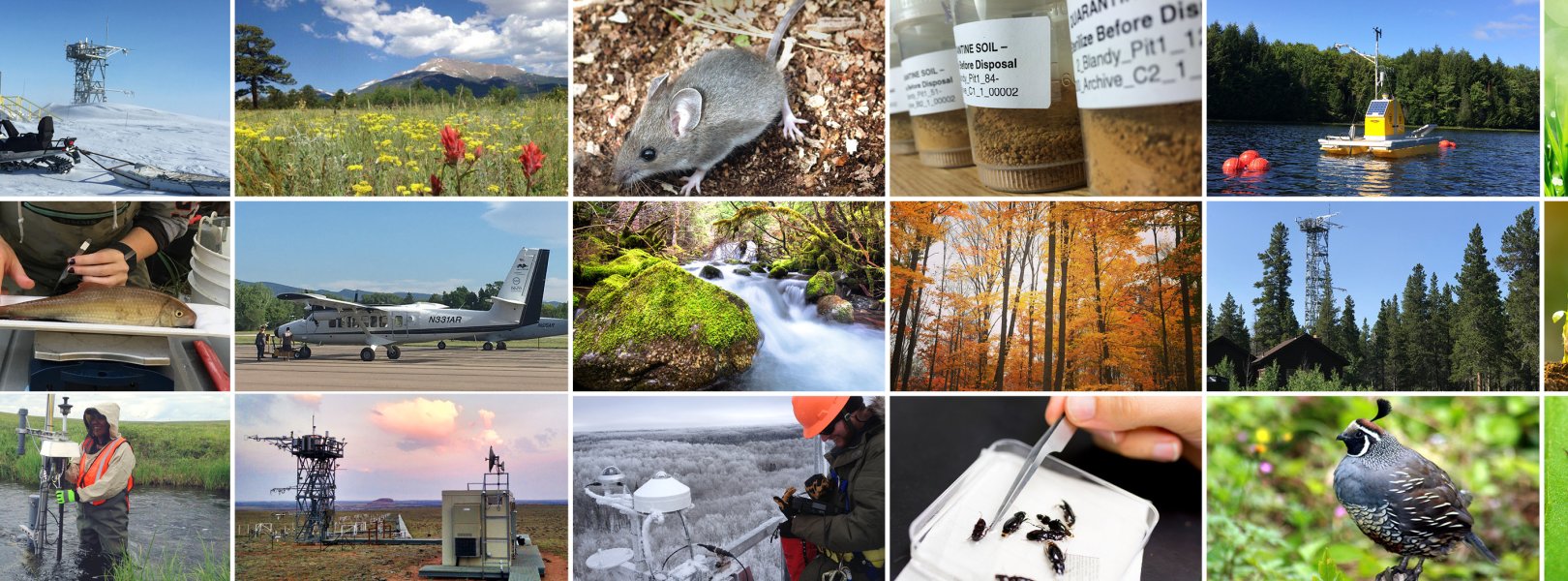
NEON collects data and samples using an extensive network of thousands of automated instruments and hundreds of field technicians, as well as though airborne remote sensing. Where logistically possible, NEON colocates terrestrial and aquatic sites within the same watershed to capture connections across atmospheric, terrestrial, and aquatic ecosystems. At all field sites, data are collected to characterize the weather and climate, land cover, and organisms of the surrounding ecosystem.

Three categories of data are recorded and processed, each through a unique collection and processing system: Airborne remote sensing is conducted with the Airborne Observation Platform (AOP), automated instrument data are collected through the Instrumented System (IS), and observational sampling data and physical samples are collected through the Observational System (OS). Collection methods are standardized and well documented to ensure long term comparability of patterns and processes across NEON sites and over time.

Airborne Observation Platform (AOP)

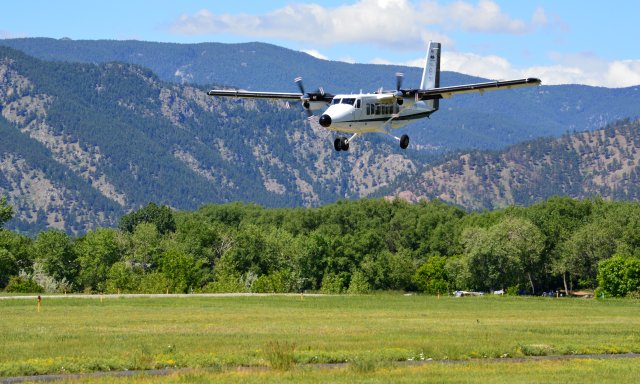
The AOP a synergistic array of Earth observation instruments -- including a lidar, imaging spectrometer, and a high-resolution digital camera -- installed into a light aircraft designed to collect high resolution remote sensing data at low altitude.
Learn more
Photo of plane landing at Boulder airport

Instrumented Systems (IS)

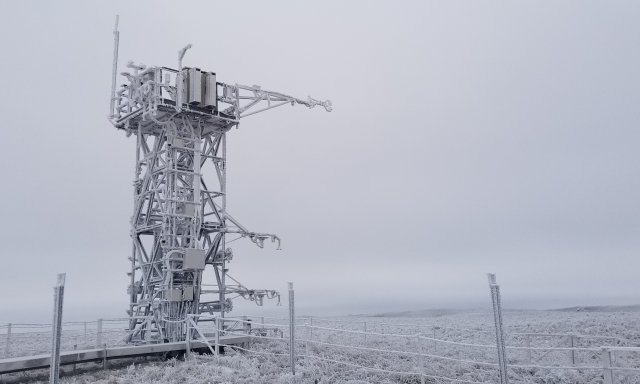
NEON deploys automated instruments to collect meteorological, soil, phenological, surface water, and groundwater data at field sites.
Learn more
WOOD tower

Observation System (OS)

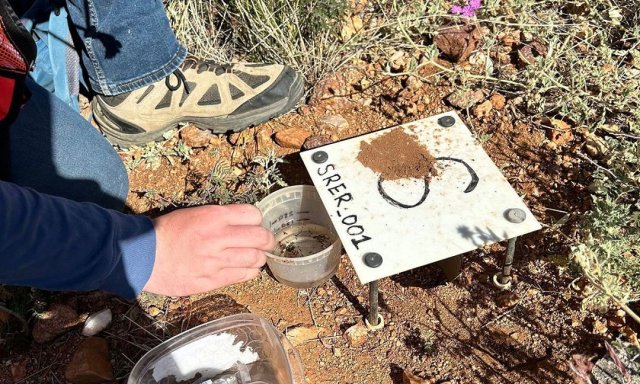
NEON field scientists collect a wide variety of observations and samples at terrestrial and aquatic field sites at regular intervals throughout the year.
Learn more
Field work with a beetle pitfall trap

Protocols & Standardized Methods

The success of NEON relies upon standardized and quality-controlled data collection methods and processing systems. NEON scientists collaborate with technical working groups to develop and document science designs and protocols for data collection infrastructure and observations and samples collected at field sites.

Learn more
NSF NEON, Operated by Battelle

Follow Us:

Join Our Newsletter

Get updates on events, opportunities, and how NEON is being used today.

Subscribe Now

Footer

  • About Us
  • Contact Us
  • Terms & Conditions
  • Careers
  • Code of Conduct

Copyright © Battelle, 2026

The National Ecological Observatory Network is a major facility fully funded by the U.S. National Science Foundation.

Any opinions, findings and conclusions or recommendations expressed in this material do not necessarily reflect the views of the U.S. National Science Foundation.