
NSF NEON, Operated by Battelle

Main navigation

    • About Overview
    • NEON Overview
    • About the NEON Biorepository
    • Observatory Blog
    • Newsletter
    • Staff
    • FAQ
    • User Accounts
    • Contact Us
    • Data Overview
    • Data Portal
    • Data Availability Charts
    • API & GraphQL
    • Prototype Data
    • Data Collection Methods
    • Getting Started with NEON Data
    • Using Data
    • Data Notifications
    • NEON Data Management
    • Samples & Specimens Overview
    • NEON Biorepository Sample Portal at ASU
    • About NEON Samples
    • Sample Types
    • Finding and Accessing Sample Data
    • Species Checklists
    • Requesting and Using Samples
    • Acknowledging and Citing the NEON Biorepository
    • Biorepository Research Projects
    • Field Sites Overview
    • Field Site Map and Info
    • Spatial Data Layers & Maps
    • Resources Overview
    • Getting Started with NEON Data
    • Research Support Services
    • Code Hub
    • Learning Hub
    • Science Seminars and Data Skills Webinars
    • Document Library
    • Funding Opportunities
    • Impact Overview
    • Research Highlights
    • Papers & Publications
    • NEON in the News
    • Get Involved Overview
    • Upcoming Events
    • Past Events
    • Research and Collaborations
    • Advisory Groups
    • NEON Ambassador Program
    • Partnerships
    • Community Engagement
    • Work Opportunities

Search

Breadcrumb

  1. Madeleine Ball

Madeleine Ball

Terrestrial Ecology Intern

Senior at the University of Michigan

Project: Successional changes in soil microbial communities in a Northeastern US hardwood forest

Nicole's Mentors: Jacob Parnell, Michael SanClements
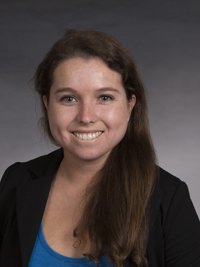
Madeleine Ball, Airborne Observatory Platform Intern

Madeleine Ball, Airborne Observatory Platform Intern

About Nicole

Nicole Dear is a senior at the University of Michigan, studying microbiology. She has always had an interest in science and nature, and took time this summer to explore both. Recognizing the potential of big science and the beauty of the Colorado outdoors, Nicole feels her time at NEON has been “a really great learning experience, both inside and outside of work.”

Q&A

How did you find out about the NEON internship program?

Last summer I worked at the University of Michigan Biological Station and they had a NEON representative come and talk about the organization. After the talk I was still really curious, so I went on the website and saw they had an internship program. Then I applied!

NSF NEON, Operated by Battelle

Follow Us:

Join Our Newsletter

Get updates on events, opportunities, and how NEON is being used today.

Subscribe Now

Footer

  • About Us
  • Contact Us
  • Terms & Conditions
  • Careers
  • Code of Conduct

Copyright © Battelle, 2026

The National Ecological Observatory Network is a major facility fully funded by the U.S. National Science Foundation.

Any opinions, findings and conclusions or recommendations expressed in this material do not necessarily reflect the views of the U.S. National Science Foundation.